When I first started out as a fire pit supplier, I didn’t just sell metal bowls and bases—I sold pieces that let campers connect with the quiet magic of the outdoors. But over years of working with campgrounds, rangers, and regular campers, I’ve learned that the best fire pit experiences aren’t just about the fire itself. They’re about following rules that keep everyone safe, protect the land we love, and let every group enjoy their time without stress. If you’re new to camping or looking to make the most of your campsite fire pit, here’s what I’ve picked up along the way. Fire Pit
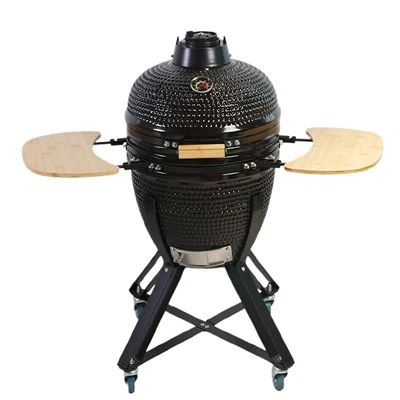
First and foremost, always check the local rules before you even load your car. I once had a customer who drove three hours to a national park in southern California, only to turn around when he saw a “no burn” sign at the entrance. That sign isn’t arbitrary—it’s there because of dry conditions, high winds, or risk of wildfires. National forests, state parks, and private campgrounds all have different policies: some allow only designated fire pits (the kind I supply), others ban wood fires entirely and require gas or propane models, and a few shut down all fires during fire season. I always tell my clients to call the campground’s office or check their website a week before their trip—last-minute plans almost never go smoothly, and nothing ruins a camping vacation like being stuck with a fire pit you can’t use.
Once you confirm fires are allowed, the next step is picking the right spot for your fire pit. Even if the campground gives you a designated spot, don’t just set your bowl down anywhere. I’ve seen campers put their fire pit too close to tent walls, low-hanging tree branches, or dry brush—and that’s a disaster waiting to happen. The general rule of thumb is a 10-foot buffer from anything flammable: tents, awnings, tree limbs, even dry pine needles or old logs. If you’re not on a designated gravel or concrete pad, I recommend placing my fire pit on a layer of crushed stone or a fire-resistant mat to keep grass or dirt from catching fire too. Some campers like to move their pit to the center of their site, but stay at least a foot away from your picnic table or camp chairs, too—no one wants to brush against a hot metal edge while grabbing a marshmallow.
When it comes to what you can burn in a campsite fire pit, less is almost always more. I’ve had people ask me if they can burn old branches, pallets, or even cardboard boxes from their garage—and the answer is no. Pressure-treated or painted wood releases toxic chemicals when burned, and pallets often have adhesives that send nasty fumes into the air. Cardboard might seem like a quick way to start a fire, but it burns too fast and can send flying embers a long way, especially in wind. The only things you should burn are seasoned hardwood (like oak, maple, or ash), clean kindling, and small twigs. If you’re using wood from the campground, make sure it’s local—moving firewood from out of state can spread invasive pests like emerald ash borers, which have destroyed millions of trees across the U.S. I always suggest picking up a bag of seasoned firewood from the campground store before your trip, or bringing your own if you’re driving from nearby.
Starting your fire safely is another key rule. Never use gasoline, kerosene, or lighter fluid to get your fire going—those are accelerants that can cause the fire to flare up suddenly and get out of control. Instead, use dry kindling, fire starters (I make small, eco-friendly ones that burn clean), or a commercial propane torch designed for campfires. Build your fire in a tepee shape with kindling on top of small logs, leaving space for air to circulate—that helps the fire burn more steadily and produces less smoke. Keep the fire small, too. A roaring, 3-foot flame might look cool, but it’s way harder to manage, sends more embers flying, and can draw the attention of park rangers if it’s too close to the campground’s fire restrictions. Most campgrounds cap fire size at 2 or 3 feet tall, so stick to that to avoid trouble.
Managing your fire while it’s burning is just as important as starting it right. Never leave a campfire unattended—even for a minute to go grab a soda or check on the kids. I’ve heard too many stories of small fires spreading when someone stepped away for a quick trip to the car. Make sure someone is always sober and alert near the fire pit—campfires and alcohol don’t mix, because it’s easy to lose track of how big the fire is or how hot it’s getting. If the wind picks up, douse the fire a little or move smaller logs away from the edge—wind can turn small embers into flying sparks that land in dry grass. I also tell my customers to keep a bucket of water, a shovel, and a fire extinguisher near their fire pit at all times—even the most careful campers can have a small flare-up, and being prepared makes all the difference.
When it’s time to put the fire out, do it completely. Never just cover the fire with dirt and walk away—that can leave hot embers that smolder all night, and sometimes even catch fire hours later. To extinguish a fire, start by dousing it with a little water, then use your shovel to stir the ashes and logs so every part is wet. Keep doing this until the mixture feels cool to the touch—if you can hold a handful of ash without getting burned, you’re done. Some people like to bury cold ashes, but if you’re in a campground with pit toilets or close to the lake, don’t bury ashes too close to water—they can change the pH of the water and harm aquatic life. I usually suggest taking cold ashes home with you in a metal container, or spreading them in a remote area far from other campsites if the campground allows it.
I’ve also learned a lot about neighborly fire pit rules over the years. Camping is a communal experience, and your fire pit shouldn’t ruin someone else’s trip. Keep the smoke down by burning dry wood (wet wood produces way more smoke) and keeping the fire small. If your neighbor complains about smoke, don’t get defensive—move your fire a little, or burn less wood until they’re comfortable. Also, avoid loud music or loud conversations late at night near your fire pit. Campers come to the woods to relax, and a roaring fire with loud music at 10 PM can be a nuisance for everyone nearby. If you’re having a group gathering, keep it to your own site and make sure the fire doesn’t draw people from other campsites—some campgrounds limit how many people can be at one site, so check the rules there too.
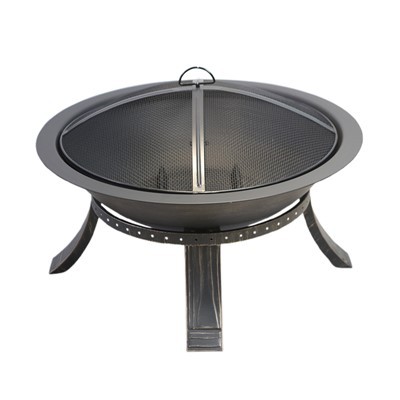
Now, a quick note about choosing a fire pit for your camping trips. Not all fire pits are made equal. The ones I supply are designed for camp use: they’re lightweight, sturdy, and have a wide enough rim to catch flying embers without letting them escape. Some cheap fire pits bend or rust after just a few trips, which can be a safety hazard—if the bowl collapses, hot coals can spill out onto the ground. Look for a fire pit that’s at least 18 inches in diameter, made of heavy-gauge steel, and has legs that are stable enough to stay upright on uneven ground. A good fire pit is an investment—one that lasts for years and keeps you safe every time you use it.
If you’re in the market for a reliable, safe fire pit that meets all campground rules, I’d be happy to discuss your needs. Whether you’re a family who camps once a year, a campground operator looking to stock your site, or a group planning a big camping trip, we can work together to find the right fit. Reach out to start a conversation about how our fire pits can make your next camping trip safer and more enjoyable.
References
Pellet Patio Heater National Park Service. (2023). "Campfire Safety Guidelines for Overnight Visitors." U.S. Department of the Interior.
U.S. Forest Service. (2022). "Fire Restrictions and Responsible Campfire Use." USDA.
Campground Owners Association. (2023). "Best Practices for Campsite Fire Pits." National Association of Campground Owners.
Environmental Protection Agency. (2021). "Avoiding Firewood Pests and Protecting Forest Ecosystems." EPA.
Huzhou Blue Carp Co., Ltd.
With abundant experience, we are one of the most professional fire pit manufacturers in China. Please rest assured to wholesale cheap fire pit for sale here from our factory. If you have any enquiry about custom service, please feel free to email us.
Address: Longxi Subdistrict, Huzhou South Taihu New Area, Huzhou City, Zhejiang Province, China
E-mail: tonycheung@bluecarpbbq.com
WebSite: https://www.bluecarpbbq.com/
