If you’ve ever stood in the snack aisle of your local grocery store, staring at a perfectly sealed pack of cookies that still feels crisp weeks after it hit the shelves, or grabbed a bunch of pre-wrapped strawberries that look like they were just picked that morning, you’ve probably wondered: could these flow wrap machines really be the unsung heroes keeping perishable goods fresh? As someone who’s spent the last 12 years as a flow wrap machine supplier, I get this question all the time. It’s not one with a simple yes or no answer, either—because when it comes to packaging perishables, it’s less about the machine itself and more about how you use it. Let me break this down, because I’ve seen both the wins and the mistakes that make this topic so important. Flow Wrap Machine
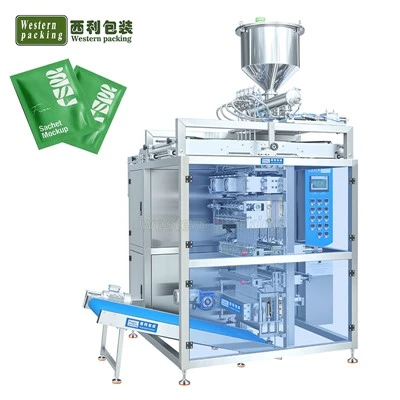
First, let’s get one thing straight: flow wrap machines aren’t just for dry, non-perishable items like candy bars or disposable cutlery. Early versions of these machines, which started popping up in the 1950s, were built for fast, reliable packaging of rigid or semi-rigid goods with long shelf lives. But over the last two decades, we’ve made massive leaps in both the machinery design and the materials we use to wrap things. Perishable goods—think fresh produce, baked goods, pre-cut salads, even certain types of fresh meat or seafood—have unique needs: they need to breathe, they can’t get crushed, they need protection from external contaminants like bacteria or moisture, and if they’re sensitive to light, that’s another layer to consider. A standard flow wrap machine can’t handle all of that on its own, but a modified, properly calibrated one absolutely can.
I remember a client of mine a few years back, a small family-owned bakery in the Pacific Northwest that was struggling to keep their sourdough baguettes fresh for more than two days after they left the shop. They were hand-wrapping them in plastic wrap, which was slow, inconsistent, and often left gaps that let in air and made the bread go stale. They tried a basic flow wrap machine that was meant for candy, and it was a disaster: the plastic was too tight, it compressed the bread’s crust, and there was no way to control the air flow inside the pack. They thought flow wraps were useless for perishables until we worked together to tweak the setup. We used a thinner, perforated polypropylene film that let a small amount of air circulate, calibrated the machine’s sealing pressure so it wasn’t squeezing the bread, and added a tiny vent slit along the bottom of each pack. Suddenly, their baguettes stayed fresh for up to five days, and their production time doubled. That’s the kind of solution I love bringing to clients—understanding that flow wrap machines can adapt to perishables, not just the other way around.
The key here is that when we talk about flow wraps and perishables, we’re not talking about one-size-fits-all packaging. Let’s talk about how the machine works, because that design is what makes it so versatile for perishables. A flow wrap machine wraps product in a continuous roll of film, sealing it along three sides (or sometimes four) to create a tight, pillow-shaped pack. The speed is adjustable—we can run it at 10 packs per minute or 200, depending on the product. For perishables, speed matters a lot because you don’t want to slow down a production line and let goods sit out and spoil. The sealing is done using either heat or a cold adhesive, and that’s where we can make adjustments for freshness. For example, high-temperature heat sealing can damage delicate products like fresh herbs, turning their leaves brown, so we use lower-temperature seals with a flexible, food-grade film that doesn’t stick to the herbs.
Another big factor is modified atmosphere packaging (MAP), which is a game-changer for perishables. MAP replaces the air inside the pack with a mix of gases—usually a combination of nitrogen, carbon dioxide, and oxygen, tailored to the specific product. A lot of people don’t realize that flow wrap machines can be integrated with MAP systems, so you’re not just wrapping the product, you’re creating a controlled environment inside the pack. Let’s take pre-cut spinach, for example: too much oxygen in the pack makes it turn yellow and wilt quickly, while too much carbon dioxide can give it an off-flavor. We work with a food technologist for clients who use our machines to set the gas mix at 5% oxygen, 10% carbon dioxide, and 85% nitrogen, which lets the spinach stay crisp for up to two weeks instead of two days. The flow wrap machine handles the wrapping and the gas flushing seamlessly, so there’s no extra step in the production line. It’s not a modification to the machine itself, but an integration that makes it possible for perishables.
But here’s the catch: flow wrap machines aren’t right for every perishable. Soft, wet, or highly delicate items like whole berries that bruise easily or mushrooms that can get soggy if wrapped too tightly still present challenges. I had a client a few years ago who tried to use flow wraps for fresh blueberries, and while the machine wrapped them perfectly, the weight of the berries inside the plastic caused some of them to crush when the pack was stacked in shipping. We solved that by switching to a flow wrap machine with adjustable cavity sizing—meaning the machine forms a slightly larger pocket for the product, so there’s extra space instead of the berries being squished against the plastic. We also recommended a modified film that’s a little stretchy, so it absorbs minor movement without applying pressure. It’s not that flow wraps can’t do it, it’s that you have to design the setup around the product, not the other way around.
One common misconception I hear is that flow wrap packaging is bad for the environment, and that it’s not a sustainable option for perishables. I get that—plastic waste is a huge concern these days, and customers are demanding more eco-friendly packaging. But the good news is that flow wrap technology has come a long way here too. We now offer a range of compostable films made from plant-based materials like cornstarch or sugarcane, that work just as well as traditional plastic for perishables. A client who sells fresh cut watermelon started using our flow wrap machines with compostable film last year, and their customers haven’t noticed a difference in freshness, while the packs break down in commercial compost in 180 days instead of hundreds of years. For perishables, good packaging isn’t just about freshness—it’s about reducing waste, and flow wrap machines can help with that too by reducing overpackaging, since each pack is sized exactly to the product, no extra material wasted.
I’ve seen too many small food producers write off flow wrap machines because they heard someone else tried and failed. A few years ago, a client who made fresh tortillas bought a cheap, off-brand flow wrap machine from a catalog, and it couldn’t handle the thin, soft tortillas. The seals were inconsistent, the machine would tear the plastic, and half the packs would open before they even got to the grocery store. They called me frustrated, saying “flow wraps don’t work for fresh food.” When I went to look at their setup, it was clear the problem wasn’t the machine’s capability—it was that it wasn’t calibrated for a delicate, thin product, and they were using a film that was too thick. Once we swapped the film and adjusted the machine’s tension and sealing settings, their tortilla production went from 50 packs an hour by hand to 600 packs an hour with the flow wrap machine, and their shelf life tripled. That’s the kind of story that makes my job worth it—showing a client that the technology works, when you use it correctly.
Let’s also talk about hygiene, which is non-negotiable for perishable goods. Flow wrap machines are designed with food safety in mind, right down to the materials they’re made of. All parts that come into contact with the product or the film are made of stainless steel or BPA-free plastic, which are easy to clean and resistant to bacteria growth. A lot of perishable food processing facilities need to adhere to strict food safety regulations like HACCP, and flow wrap machines can be customized to include features like easy-to-remove parts for deep cleaning, and sensors that detect if there’s any contamination before packaging. For fresh meat, for example, some clients use flow wrap machines with integrated metal detectors, so any stray particles from processing are caught before the product is wrapped. That level of hygiene is critical for perishables, and flow wrap machines deliver that consistently, much more so than hand-wrapping, which is prone to human error.
Now, I won’t sugarcoat it: there are limitations. Flow wrap machines work best with products that have a consistent shape—rectangular, round, or slightly irregular, but not lumpy or uneven. If you’re packaging something like a whole pineapple, the shape is too variable for a standard flow wrap machine, though we do offer custom setups for irregular products that use adjustable product guides to keep things moving through the machine evenly. Also, products that are extremely fragile, like soft tofu, still require specialized packaging that might not be flow wrap-compatible, though even for tofu, we’ve worked on setups with extra soft film and low sealing pressure that keeps it intact during shipping. The key is working with a supplier who understands perishables, not just flow wrap machines—someone who can help you match the right machine, film, and process to your specific product, instead of just pushing a one-size-fits-all solution.
Over the last decade, I’ve watched the demand for fresh, ready-to-eat perishables explode, and with that, the need for efficient, consistent packaging that keeps them fresh longer has grown too. Flow wrap machines aren’t a magic fix for every perishable packaging problem, but they’re a proven, reliable solution when designed and calibrated correctly. I’ve seen sourdough last an extra three days, pre-cut veggies stay crisp for two weeks, and bakery goods go from going bad on the store shelf to selling out before they expire—all thanks to well-designed flow wrap packaging.
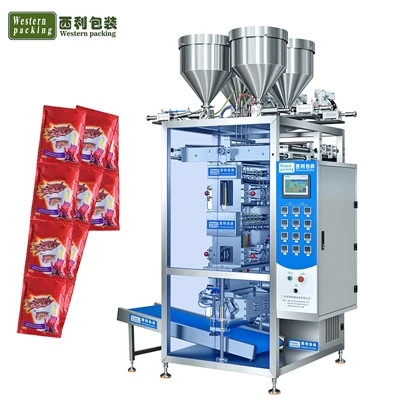
If you’re a food producer wondering if flow wrap machines could work for your perishable goods, don’t write them off because of bad experiences or outdated ideas. The technology has changed a lot, and with the right setup, you can get the speed, consistency, and freshness you need for your products. If you’re ready to explore how flow wrap technology can work for your perishables, we can walk through your specific needs, from product type to production volume, to find the right solution for you.
Filling Machine References:
- Food and Agriculture Organization of the United Nations. (2021). Modified Atmosphere Packaging for Fresh Fruits and Vegetables. Rome: FAO.
- American Society for Testing and Materials. (2022). Standard Guide for Selection of Flexible Packaging Materials for Perishable Food Products. West Conshohocken, PA: ASTM International.
- Zhang, M., & Huber, K. C. (2020). Advances in Flow Wrap Packaging for Fresh and Processed Food Products. Journal of Food Engineering, 285, 110087.
- European Hygienic Engineering & Design Group. (2019). Hygienic Design Guidelines for Food Packaging Machinery. Brussels: EHEDG.
- United States Environmental Protection Agency. (2021). Sustainable Packaging Guidelines for Food Producers. Washington, DC: EPA.
Guangzhou Western Packing Co., Limited
Address: No.3, Yilong street, Wulonggang, Zhongluotan Twon, Baiyun District, Guangzhou
E-mail: david@westernpacking.com
WebSite: https://www.westernpackingusa.com/
