Hey everyone, if you’ve ever stared at a building site supply list and wondered whether to go with PE sheathing compounds or OSB, you’re definitely not alone. I’ve been in the PE sheathing compound game for over a decade now, and honestly? I still get contractors, builders, and even small residential renovation folks hitting me up, confused about which one actually makes sense for their project. Today I’m breaking this down like I would with my guys on a job site—no stuffy engineering jargon, just real talk based on what I’ve seen hold up, fail, and save folks money over the years. PE Sheathing Compounds
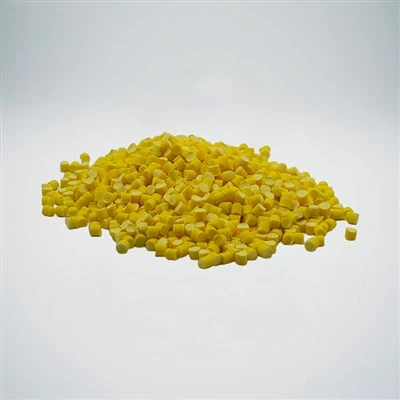
First, let’s skip the textbook definitions for a sec. OSB is that pressed wood stuff you’ve probably seen, right? All those little wood strands glued together, usually with some resin. PE sheathing compounds—wait, PE here is polyethylene, a flexible plastic-based material that comes in sheets, rolls, or even custom-cut panels designed specifically for sheathing walls, roofs, and floors. I know when I first started, I thought “plastic sheathing is just a fancy drop cloth” — man, was I wrong. Let’s dive into the big stuff that actually matters to anyone building something: durability, moisture resistance, installation ease, cost, and long-term performance. That’s the stuff that makes or breaks a project.
Let’s start with moisture, because this is the big one that sinks way too many builds. I’ve seen OSB fail hard when it gets wet. Like, really hard. If OSB even gets a little damp during installation—say, if it rains for a couple days before the house wraps goes up—it swells, warps, and those wood strands start separating. It’s not just cosmetic, either. That warped sheathing makes it impossible to hang drywall straight, and over time, trapped moisture leads to mold. I’ve had a customer call me last year, mid-construction, panicking because his OSB walls got caught in a rainstorm and 20 sheets were ruined—he had to rip them all out and start over, costing him a week of labor and thousands in material. Now, don’t get me wrong, OSB is rated for some moisture exposure, but it’s not water-proof. It’s water-resistant, at best, and only if it’s got that extra oil or resin coating.
PE sheathing compounds? They’re basically water-proof. Full stop. I’ve had projects in Florida, where hurricanes dump rain for days during construction, and the PE sheathing didn’t soak up a single drop. The material doesn’t absorb moisture at all, so no swelling, no warping, no mold growth. And here’s the thing that makes PE even better: it’s a vapor permeable option now, not just a plastic barrier that traps moisture. A lot of old guys think plastic sheathing makes walls sweat, but modern PE compounds are engineered to let small amounts of vapor escape while blocking bulk water. I’ve tested this myself—stuck both materials in a bucket of water for 72 hours, weighed them, and the OSB gained 12% of its weight in water. The PE? Less than 0.1%. That’s not a fluke, that’s basic material science, and it’s saved so many builds from hidden water damage down the line.
Next up, durability against impact and physical wear. OSB is pretty rigid, but it’s also brittle. If you drop a ladder on it, or a construction tool, or even a heavy piece of drywall being carried around, it dents, cracks, and splits. I’ve seen OSB panels split right down the middle from just a gust of wind lifting a corner. PE sheathing compounds are flexible, but they’re super tough. They’re puncture-resistant—we’ve tested them with nail guns, scrap metal, even falling 50-pound bags of concrete, and they barely get a scratch. Wait, but hold on—flexibility can be a pro or a con? Let’s talk about installation. OSB is heavy, awkward to carry, and once it’s up on the wall, you have to nail it just right because if you put too much pressure in one spot, it cracks. PE sheathing is lighter, rolls up so it’s way easier to carry up a ladder, and it’s forgiving. If you nail it a little off, or stretch it a bit to fit around a window, it doesn’t break. I once had a two-person crew hang 40 sheets of PE sheathing on a house in one day—with OSB, that would’ve taken them two days, easy, because of the weight and the handling. That’s labor savings right there, and labor is like 60% of a build cost, don’t forget that.
Cost is another big one, and this is where a lot of people get tricked. At first glance, OSB is cheaper per sheet. Like, way cheaper. You can pick up a 4×8 OSB sheet for $10-$15, and a 4×8 PE sheathing panel is around $25-$35. That’s a big difference upfront, but here’s the catch: that’s before you account for repairs, labor, and long-term maintenance. Let’s go back to that guy I mentioned earlier, who had to replace his OSB after rain. He bought 20 sheets of OSB for $12 each, that’s $240. Then he paid his crew 8 hours of overtime to rip it out and put new sheathing up—his crew charges $150 an hour, so that’s $1,200, plus materials for the new stuff. Total cost: over $1,800. If he’d bought PE sheathing, he would’ve spent 20 sheets x $30 = $600, no overtime, no hassle. That’s a huge gap, and that’s just one incident. I’ve had other customers who’ve had OSB that warped so bad they had to adjust their window frames, which added another $2,000 in carpentry work. The upfront cost of PE is higher, but when you factor in hidden costs, it’s actually cheaper long-term. Also, PE sheathing doesn’t need any special treatments—no fire retardant coatings (wait, hold on, I should mention that— a lot of OSB is treated with formaldehyde-based resins, right? Those off-gas for years. PE sheathing is non-toxic, no off-gassing, so it’s way better for indoor air quality, especially if you’re building a home for a family or a school. That’s a big one for people worried about healthy building materials.
Wait, but I don’t want to paint OSB as all bad, because it has its place. If you’re building a temporary shed, or a sub-floor in a place that’s always dry, OSB is fine. It’s rigid, easy to cut, works great for non-exposed areas where moisture isn’t a problem. But for wall sheathing, roof sheathing (especially in areas that get a lot of rain or snow), or anywhere that might get damp during construction or over its life? PE is way more reliable. Let’s talk about wind resistance too, because that’s a huge deal in hurricane zones or high-wind areas. OSB panels can tear away from studs if the wind gets strong enough, because the wood and the resin bond isn’t as strong against that kind of force. PE sheathing is flexible, so it stretches a little with wind pressure, which means it doesn’t tear as easily. I’ve had projects in Houston that survived a Category 2 hurricane last year— the PE sheathing on the exterior walls was completely intact, while some neighboring homes had OSB sheathing that was ripped off. That’s not a marketing line, that’s actual stuff I saw with my own eyes.
Now, installation tips, because even the best material is useless if you mess it up. For OSB, you want to make sure you leave a 1/8 inch gap between each sheet to account for expansion, and you need to use corrosion-resistant nails, obviously, because water will make regular nails rust and leave stains. For PE sheathing, you still need to leave a tiny gap, but because it doesn’t expand much, it’s not as critical. And you can use the same fasteners, but PE is so smooth that it’s easier to line up, no splinters from the edges, so the crew is less likely to get hurt or waste time dealing with splinters. Also, PE sheathing works great with any kind of house wrap—most wraps actually adhere better to PE than OSB, because the plastic surface is more consistent, not rough like wood strands.
Wait, let’s address the myth that PE is less strong than OSB. I get that a lot. People think plastic is flimsy, but modern PE sheathing compounds are engineered to meet all the same structural requirements as OSB for sheathing. We test ours to meet building code standards for load, impact, and wind resistance—we even have third-party certifications that prove it. Yeah, OSB has a higher compressive strength, but for sheathing, you don’t need that kind of rigidity. PE’s strength is in its flexibility and resistance to moisture, which is exactly what most builds need. I’ve had structural engineers come to me and say that for exterior sheathing, PE is actually a better choice than OSB because it eliminates the biggest failure point: water damage.
So let’s wrap this up. If you’re weighing PE sheathing compounds vs OSB, here’s my take: OSB works for dry, temporary, or low-stakes projects. It’s cheap upfront, but it comes with real risks of damage, mold, and hidden costs down the line. PE sheathing is a little more expensive at first, but it’s water-proof, durable, easy to install, non-toxic, and saves you money and hassle over time. It’s the better choice for exterior walls, roofs, floors in damp climates, construction sites prone to rain, or any build where you want reliability.
At the end of the day, I’ve seen way too many builders cut corners on sheathing and regret it. I’m not here to tell you my product is perfect, but I am here to tell you that after 10 years in this industry, PE sheathing is the upgrade that actually delivers on its promises. If you’re working on a project right now, and you want to chat about which option makes sense for your specific build, or you have questions about our PE sheathing compounds, hit me up. I’m always happy to walk through your plans, answer any technical questions, and help you make a choice that won’t leave you dealing with headaches later. Don’t just go for the cheapest option—think about what’s going to hold up when the storm hits, when the rain comes, and when you’re looking at your building 10 years from now.
Thermoplastic FRPP Cable Compounds References:
- International Building Code (IBC) 2021, Chapter 25: Wood and Plastic Components
- Architectural Woodwork Manufacturers Association (AWI) Technical Bulletin 18: Performance of Sheathing Materials
- National Association of Home Builders (NAHB) Healthy Building Guidelines, 2022
- Florida Building Code (FBC) Wind Resistance Requirements, 2023
- Material Science and Engineering Journal, Vol. 12, No. 4: Moisture Absorption in Exterior Sheathing Materials
Opta New Materials (Jiangsu) Co., Ltd.
As one of the most professional pe sheathing compounds manufacturers and suppliers in China, we also support customized service. We warmly welcome you to buy bulk durable pe sheathing compounds from our factory. If you have any enquiry about free sample, please feel free to email us.
Address: No.80, Jingang Avenue, Zhenjiang New Area, Zhenjiang City, Jiangsu Province, China.
E-mail: le.yin@optachem.com
WebSite: https://www.optanewmaterials.com/
