If you’re in the glass processing industry in India, whether you’re a small-scale fabricator catering to local residential projects or a mid-sized manufacturer supplying glaziers, automobile part makers, or solar panel assemblers, one of the first questions you’ll ask is: What’s a fair, reliable price for a glass cutting machine in India? After 7 years as a glass cutting machine supplier operating across North, South, and Western India, I’ve seen too many buyers chase the lowest price and end up with equipment that breaks mid-job, wastes glass, or can’t handle the jobs they actually need to do. This isn’t a post to throw out a single number and call it a day—there are so many variables that drive price, and understanding those is the only way to invest in a machine that works for your bottom line, not against it. Glass Cutting Machine
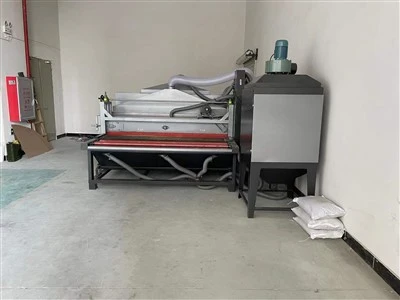
First, let’s break down the core factors that shape glass cutting machine prices in India. Unlike generic tools, glass cutting machines aren’t one-size-fits-all. The biggest differentiator is automation level, and that’s where most buyers go wrong. Manual glass cutting machines, the kind you’d see in a tiny workshop that only cuts 20-50 glass sheets a week, are the cheapest. These run on a simple hand-fed cutting head, no digital programming, no conveyor system. A basic manual model, ideal for small glaziers cutting windows, mirrors, or small tabletops, costs between ₹15,000 and ₹45,000. But here’s the catch: manual machines require constant skill—one wrong angle or uneven pressure on the cutting wheel, and you’ll end up with a cracked sheet that’s 100% waste. For someone just starting out with low-volume, simple cuts, that price point makes sense, but it’s not scalable.
Next, semi-automated glass cutting machines bridge the gap between manual and full automation, and they’re the sweet spot for most mid-sized Indian fabricators I work with. These machines combine a manual loading table with a digital cutting console that stores pre-programmed cut patterns, so you don’t have to measure and mark every sheet by hand. Some have a motorized cutting head that adjusts angle and pressure automatically, while you still manually position the sheet and uncut pieces. Semi-automated models are designed for shops doing 50-500 sheets a week, and their prices range from ₹1.2 lakh to ₹4.5 lakh. The range here depends on two things: the size of the cutting bed, and the type of cutting head. A semi-auto machine with a 2400x1800mm bed (standard for most residential and small commercial glass) will run around ₹1.2 lakh to ₹2 lakh, while a larger 3600x2400mm bed for bigger office windows or storefronts will hit ₹3 lakh to ₹4.5 lakh. I recently sold a semi-auto machine to a fabricator in Coimbatore who was expanding from 100 to 300 sheets a week; before that, he was losing 12% of his glass to manual errors, and with the semi-auto, that dropped to 4%, saving him almost ₹2 lakh a year in raw material. That’s the value buyers miss when they only look at upfront price.
Then there’s full-automatic CNC glass cutting machines, the workhorses for high-volume, precision-focused operations like automobile glass, solar glass, or laminated glass production. These come with automated sheet loading, pattern scanning (they can even cut custom shapes from a digital file without manual input), and automatic unloading, so they can run 10+ hours a day with minimal labor. Prices for these in India start at ₹6 lakh and go up to ₹18 lakh, depending on bed size, number of cutting heads, and additional features like edge deletion (for laminated glass) or anti-reflective coating cutting tools. I once worked with a solar panel component manufacturer in Ahmedabad who invested in a 3600x2400mm full-auto CNC machine; they now cut 1,200 glass sheets a day, up from 250 with their old semi-auto setup, and their labor costs dropped by 70% because they only needed one operator for the whole shift. For them, the ₹12 lakh investment paid for itself in 14 months—something a cheap manual machine never could.
Now, let’s talk about other factors that tweak these prices, because they matter just as much as automation. First, the brand and build quality. I’m not talking about fancy international brands that mark up 200% just for a name tag—there are reputable Indian manufacturers that build machines for the Indian market, with local parts and after-sales support, and that’s what most of my clients choose. A Chinese import semi-auto machine might be ₹50,000 cheaper upfront, but I’ve had three clients come back to me in the last two years because their Chinese machines broke down every 3 months, and getting spare parts took 2-4 weeks from abroad. For a shop that can’t afford to shut down for a month waiting for a part, that cheap price ends up costing 10x more in lost revenue. Indian-built machines, on the other hand, use local motors (from brands like Siemens or Crompton, which are widely available across India) and have service teams in cities like Mumbai, Delhi, Chennai, and Pune that can be on-site within 48 hours. That reliability adds a small premium to the price, but it’s worth every rupee.
Another big factor is the type of glass the machine is designed to cut. Most basic machines cut float glass, which is the standard glass for windows and mirrors. But if you need to cut toughened glass, laminated glass, or tempered-coated glass, you need a machine with a harder cutting wheel (usually diamond-tipped instead of standard carbide) and a more precise pressure adjustment. A semi-auto machine built for toughened glass, for example, will cost ₹50,000 more than a basic model, because the cutting head has to exert consistent pressure to avoid chipping the toughened surface. I had a client in Hyderabad who tried cutting laminated glass with a standard semi-auto machine last year; he chipped 18 sheets, wasting ₹12,000 worth of glass, before he upgraded his machine’s cutting head. That’s another hidden cost of buying a machine that doesn’t match your specific needs.
Now, what about the current market trends in India that are shaping glass cutting machine prices right now? Over the past 3 years, prices have stabilized after a small hike in 2021, when import duties on industrial machinery were adjusted and raw material costs (like steel for the machine bed, motors, and cutting wheels) went up 12% across the board. But demand has also grown: the Indian construction sector is expanding at 8% a year, and the solar industry’s production linked incentives (PLI) scheme has led to a 30% jump in demand for solar glass cutting machines. That means there are more domestic manufacturers now, competing to offer better prices without cutting corners. I’ve noticed that in 2023, the average price of a semi-auto machine dropped by 7% compared to 2021, because local producers are using more locally sourced components instead of imported parts. That’s good news for buyers, because you can get a reliable machine without the inflated cost of international brands.
But here’s the thing: the cheapest option isn’t always the best, and the most expensive isn’t always the best either. I’ve had small fabricators come to me saying they can only spend ₹1 lakh, but their workload is 500 sheets a week. A manual machine can’t handle that, so I’ll recommend a used semi-auto machine from a reputable domestic brand, which I sell for ₹85,000. It’s 15% cheaper than a new basic semi-auto, and I offer a 6-month service warranty on used machines, so they don’t have to worry about breakdowns. For a large factory looking to scale, I’ll work with them to configure a full-auto machine with only the features they need—no fancy extras like a pattern printer if they already have a digital design team. That cuts the price by 20% compared to a fully loaded machine, and they still get the precision and speed they need.
A common mistake I see buyers make is ignoring after-sales support when choosing a machine. A ₹2 lakh machine with free installation, 1-year free service, and a local team is way better than a ₹1.5 lakh machine that only comes with a 3-month warranty and a service team that can’t reach your workshop in Jaipur for a week. I’ve had clients tell me they chose a cheaper machine from a supplier in Ludhiana, and when the cutting head broke, the supplier said they’d have to send a technician from Delhi, which would take 10 days. They lost 10 days of production, costing them ₹30,000—more than the difference between the two machines. That’s why I always emphasize that price shouldn’t be the only deciding factor; total cost of ownership (including maintenance, spare parts, and downtime) is far more important.
Now, let’s cut to the practical: what can you expect to pay in 2024, based on your use case? If you’re a new small fabricator doing up to 100 sheets a week of basic float glass, a manual machine is ₹15,000 to ₹45,000. If you’re a mid-sized shop doing 100 to 500 sheets, a new Indian semi-auto machine is ₹1.2 lakh to ₹4.5 lakh, or a certified used semi-auto is ₹75,000 to ₹2.5 lakh. For high-volume shops doing 500+ sheets, especially handling toughened, laminated, or solar glass, a new full-auto CNC machine is ₹6 lakh to ₹18 lakh. All of these prices include basic installation and a 12-month service warranty, because I don’t sell machines that don’t come with support.
I’ve been in this industry long enough to know that buying a glass cutting machine is a big investment for most businesses—whether you’re a one-person workshop or a 50-employee factory. It’s not just a tool; it’s what lets you take on bigger jobs, reduce waste, and make your work more profitable. I’ve seen clients go from struggling to meet deadlines to winning contracts with large builders, all because they upgraded their glass cutting machine to one that fit their needs. That’s why I don’t just sell machines; I walk buyers through what their actual workload is, what type of glass they cut, and what their budget is, to find the right machine—not the most expensive one, not the cheapest one, but the one that works for them.
Glass Cutting Machine If you’re in the market for a glass cutting machine, whether you’re exploring options, have questions about prices, or want to see the different models that fit your needs, get in touch to discuss your requirements.
References
- Indian Glass Manufacturers Association. (2023). Annual Report on Glass Processing Equipment Demand in India.
- Ministry of Heavy Industries, Government of India. (2022). Industrial Machinery Import Duty and Domestic Manufacturing Cost Analysis.
- Solar Energy Corporation of India. (2023). *Report on Solar Glass Processing Equipment Pricing and Scaling.
Foshan Sky Glass Co., Ltd.
We are one of the most experienced glass cutting machine manufacturers and suppliers in China. With a professional production team, we are able to meet the needs of the majority of our customers. Please feel free to wholesale advanced glass cutting machine for sale here from our factory. Customized orders are welcome.
Address: Jian Mei Business Center, Nan Hai Town, Fo Shan
E-mail: skyglassmanager18@gmail.com
WebSite: https://www.sky-glassdz.com/
