If you’ve ever wandered around a city and spotted two people gliding past on bikes that look almost the same—then thought, “Wait, is that an electric bike or an electric city bike?”—you’re not alone. As someone who’s been supplying electric city bikes for years, I get asked this question all the time, and it’s totally fair. A lot of folks use “e-bike” and “electric city bike” interchangeably, but they’re not the same. Let’s break it down in plain talk, no jargon, just what matters if you’re thinking about grabbing one (or stocking a few for your shop, if that’s your gig). Electric City Bike
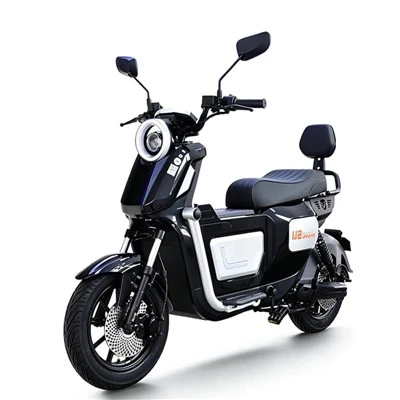
First, let’s start with the basics: every electric bike (e-bike, for short) has a motor, a battery, and components to turn pedal power into help, right? That’s the entry-level stuff. But “electric city bike” isn’t just a sub-brand of e-bike—it’s designed specifically for one thing: urban life. Let’s dig into the nitty-gritty so you don’t mix them up again.
Motor placement is a big one. A basic e-bike might have a hub motor—either on the front wheel or the back wheel. Front hub motors are cheap to make, easy to tuck into the wheel, so you see them on lots of budget e-bikes you’ll find online or at big-box stores. Back hub motors are a bit better for traction, especially if you’re carrying stuff, but they’re still pretty generic. Now, electric city bikes? We almost always use mid-drive motors. Wait, what’s a mid-drive? It’s mounted right where the pedals connect to the crankset, low on the frame. Why does that matter? For city riding, where you’re stopping at red lights, spurring up tiny hills (like that curb you have to climb to get to the sidewalk), or navigating crowded bike lanes, mid-drive motors feel way more natural. They match your pedal cadence—how fast you’re turning the cranks—so it doesn’t feel like you’re getting pushed from behind (which can make it hard to balance at low speeds, super important in traffic). Also, mid-drives distribute weight lower on the frame, so the bike doesn’t feel tippy when you’re loading a tote bag or a kid seat, which is a huge plus for urban commuters.
Battery placement goes hand in hand with motor design. Budget e-bikes often have batteries in the rear rack or even mounted on the down tube in a bulky, stick-out way. That’s fine for a casual ride around a park, but not great for a city. Electric city bikes usually have integrated batteries—they’re hidden inside the frame’s down tube or seat tube. Why? Cities are messy: rain splashes, bike racks scratch frames, and you don’t want a battery sticking out where it can get knocked by a car door (hello, “dooring” is a real risk in busy areas). Integrated batteries also make the bike look way sleeker—no one wants to roll to a coffee shop on a bike that looks like it has a big brick stuck to its side. Plus, most city bike batteries are sized just right for daily commutes: not so big that you’re carrying extra weight you don’t need, but enough for 20-30 miles (that’s a typical round trip for someone commuting from the suburbs to downtown). A basic e-bike might have a smaller battery for shorter rides, or a huge one that adds extra cost and weight if you don’t need it.
Frame design is another telltale sign. Basic e-bikes often use a standard mountain bike or road bike frame, just with a motor and battery stuck on. That works for trail riding or long-distance highway cruises, but not so much for city stuff. Electric city bikes have step-through frames a lot of the time—you know, the ones where the top tube is low, so you can swing your leg over without taking off your backpack or your work pants. That’s a game-changer for people who commute in dress clothes, because no one wants to hike a leg over a high top tube and risk getting their hem caught. Also, city bike frames are sturdier but not heavy—they’re built to handle potholes, curbs, and occasional bumps with delivery boxes, not the rough terrain mountain e-bikes handle. Basic e-bike frames might be lighter for speed, but they’re more likely to bend if you hit a pothole at 15 mph, which is super common in old city streets.
Then there’s the “city-specific” add-ons that basic e-bikes skip. Let’s be real: if you’re riding in a city, you don’t have time to stop and adjust your gears every two minutes, or remember to turn on a headlight when the sun goes down. Electric city bikes come pre-wired with fenders (so you don’t get sprayed with dirty water from the road), rear racks (perfect for a laptop bag, groceries, or even a cooler for weekend runs), and built-in lights—both front and rear, that run off the bike’s main battery, so you never forget to charge a separate light. Some even have integrated bells and reflectors, which are required in most cities but basic e-bikes often leave off (forcing you to buy them separately, which adds up). A basic e-bike might have no fenders, a flimsy rack, and a tiny headlight that only works if you have a USB cable handy. That’s not safe for city riding.
Wait, what about how they handle speed and power? A lot of budget e-bikes hit 20 mph, which is the legal limit in most places for “pedal-assist” e-bikes (you have to pedal to get the motor help, right? Throttle-only is a different story). But some cheap e-bikes can go faster, but that’s not useful in a city. Electric city bikes are limited to that 20 mph sweet spot, and the pedal assist is calibrated to kick in when you need it—like when you’re starting from a stop sign, so you don’t have to push hard with your legs. Too much power at low speeds makes it hard to control, which is bad when there are pedestrians and parked cars around. Basic e-bikes might have a more powerful motor, which is great for open roads or trails, but unnecessary (and even a bit dangerous) in tight city spaces.
Let’s throw in some real-world examples to make this concrete. If I’m going to a mountain trail on the weekend, I’ll grab a basic e-bike with a front hub motor and knobby tires. But if I’m going to my office downtown 3 miles away, I grab our electric city bike. It has a mid-drive motor that makes stopping at red lights and weaving through bike lanes feel smooth, the integrated battery means no ugly bumps when I lock it to the rack outside my building, and the fenders kept my pants clean when it rained last week. That’s the difference: one’s built for adventure, the other’s built for your daily grind.
Now, let’s talk about who each is for. If you’re someone who wants to ride on weekends, hit bike paths, or do long cruises on quiet roads, a basic e-bike is perfect. But if you’re a commuter, someone who runs errands around the city, or wants a reliable bike that works for quick trips, electric city bike is the way to go. I’ve had customers tell me they switched from a basic e-bike because it was too finicky in traffic—tippy at low speeds, no lights, got their work clothes dirty. That’s exactly the gap we fill as electric city bike suppliers.
Wait, should I mention cost? Yeah, that’s a big factor for most people. Budget e-bikes can be as low as $500, but you get what you pay for—flimsy frames, cheap batteries, no city add-ons. Electric city bikes start around $1,200, but that includes all the stuff you actually need for urban riding, and they’re built to last. You don’t have to buy fenders, a rack, and lights separately (which would add another $150 or so), so it’s a better value in the long run. Plus, we stand behind our city bikes with a 2-year warranty, whereas most cheap e-bikes have a 6-month warranty, if that.
I’ve also heard some folks say, “Why not just get a regular e-bike and add city stuff?” You can, but it usually ends up being a hassle. Mounting fenders on a standard frame often means drilling holes, which can weaken the frame. Rear racks might not fit right for city loads. And trying to wire lights to a cheap battery is just asking for things to break. Our electric city bikes are designed from the ground up to have all those features integrated, so there’s no messing around after you buy it. That’s the convenience part that makes them worth it.
Let’s clear up a common myth, too: electric city bikes aren’t just for people who can’t pedal. Yeah, the motor helps, but you still get a workout if you want. Most have multiple assist levels—you can turn it all the way up for when you’re running late, or down to get a light cardio workout on the way home. I’m in my mid-30s, and I use our city bike for commuting, and I still break a sweat if I don’t use the highest assist. It’s not a crutch, it’s a tool to make urban riding easier, not faster.
Now, if you’re a shop owner or someone looking to stock bikes, this is important: your customers who are commuters will come back for electric city bikes, because they solve real problems. I’ve seen way more repeat customers for our city line than the basic e-bikes, because people don’t want a one-size-fits-all bike. They want something that works for their daily life.
Wait, what about maintenance? Mid-drive motors on city bikes are easier to service, because they’re in the center of the bike, not hidden in the wheel. If a hub motor goes out on a basic e-bike, you might have to replace the whole wheel, which is expensive. If a mid-drive motor goes out on an electric city bike, a mechanic can fix it without taking the wheel off, which is faster and cheaper. That’s another big plus for anyone who doesn’t want to deal with constant repairs.
Let me wrap this up so it’s not just a list of differences. At the end of the day, the core of an electric bike is “adds motor help to a regular bike.” The electric city bike is a specialized version that takes that core and builds it for the chaos of city life: traffic, potholes, red lights, rainy mornings, hauling a laptop. It’s not that one is better than the other—it’s that they’re made for different things.
If you’re someone who’s riding for fun on trails, go for a basic e-bike. If you’re riding to work, to grab groceries, to run quick errands around town, an electric city bike is the smarter, safer, more convenient pick.
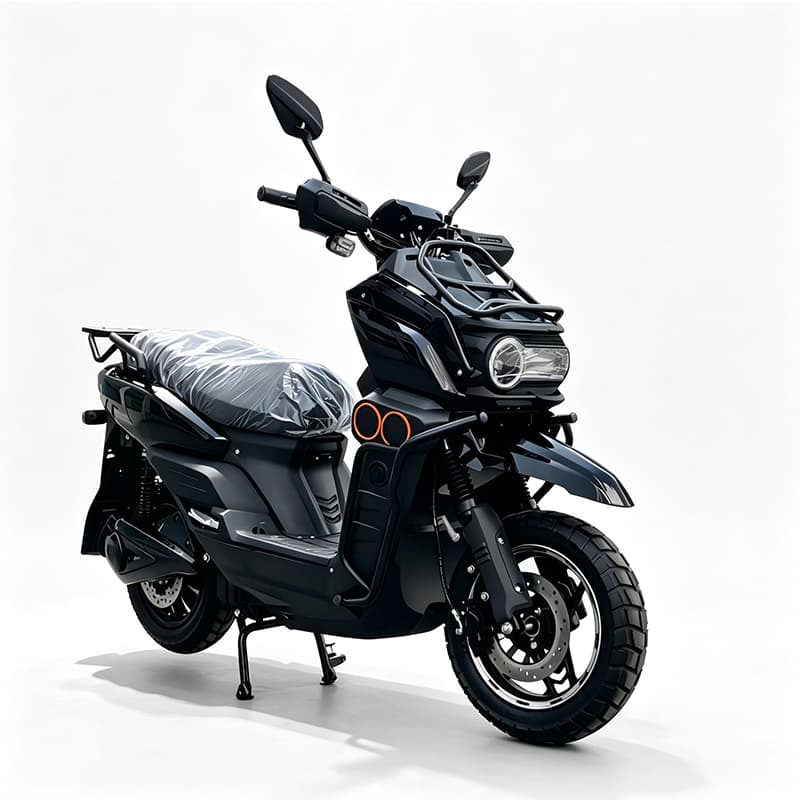
If you’re a retailer looking to add bikes that your urban customers will actually use, or if you’re ready to make the switch to a bike that works for your daily city life, feel free to reach out to talk through what you need. Whether you’re buying one for yourself or stocking a bunch for your shop, we can help you find the right electric city bike that fits your needs.
Folding E-bike References
- League of American Bicyclists. (2023). Urban Cycling: Essential Equipment and Best Practices.
- Electric Bike Industry Association. (2024). E-Bike Motor Placement and Urban Performance.
- City of Portland Transportation Bureau. (2023). Bicycle Safety Standards for Urban Commuter Vehicles.
- European Cyclists’ Federation. (2022). E-Bike Use Cases: Commuter vs. Recreational.
Linyi Lanshan Merco Electric Bicycle Factory
Linyi Lanshan Merco Electric Bicycle Factory is one of the most professional electric city bike manufacturers and suppliers in China, also supports customized service. Please feel free to wholesale CE approved electric city bike made in China here and get pricelist from our factory. 1 years warranty is available.
Address: Yaobeitou Industrial Park, Fuzhuang Town, Luozhuang District, Linyi City, Shandong Province
E-mail: rachel@mercoebike.com
WebSite: https://www.mercoebike.com/
