If you’ve ever stood on a snowy mountain, shivering under a thin jacket while your friend’s ski jacket has them totally comfortable, you’ve probably wondered—what’s the big deal with ski jacket insulation? As someone who’s spent years supplying ski jackets to folks who live for the slopes, I’ve talked to tons of skiers (from weekend warriors to pro racers) who think insulation is just “extra fluff” for warmth. But that’s not the whole story. It’s way more nuanced than that, and picking the right insulation can make or break your day on the mountain—whether you’re cruising blue runs at a casual pace or battling a wind gust at 8,000 feet. Ski Jacket

First off, let’s break down what insulation actually does, scientifically speaking, because this isn’t just guesswork. Ski jacket insulation’s whole job is to trap air. Wait, air? Yeah, that’s the key. Air is a terrible conductor of heat, so when it’s stuck in tiny pockets between the insulation fibers, it acts like a barrier that keeps your body heat from escaping and blocks cold wind from seeping in. If insulation gets wet—say, from snow melting off your gloves or a sudden powder dump—those air pockets fill with water. Water conducts heat way faster than air, so suddenly your insulation loses 80% or more of its warmth. That’s why I’ve seen so many skiers come back from a day on the hill complaining their jacket was freezing, only to realize they grabbed an old cotton jacket (which holds water like a sponge) instead of a proper ski one.
Now, there are two main types of insulation you’ll see in ski jackets: down and synthetic. Let’s start with down because it’s the old standby for high-end warmth, and it’s what a lot of serious skiers swear by. Down comes from the soft, fuzzy underfeathers of ducks or geese, and its superpower is “fill power.” Fill power is measured in cubic inches per ounce, and a higher number means better insulation. A jacket with 800-fill down, for example, is way warmer and lighter than one with 550-fill, even if they look the same thickness. But down has a big catch: it sucks at staying warm when wet. If you get caught in a snowstorm and your down jacket soaks through, it’ll clump up, lose all its air pockets, and go from toasty to cold in minutes. That’s why, even though we sell a lot of down jackets for backcountry skiers who know they’ll check the weather closely, synthetic insulation is our best-seller for most casual and intermediate skiers.
Synthetic insulation is man-made—usually polyester fibers, and it’s designed to mimic the structure of down but with a twist. The fibers are crimped or shaped into tiny loops that trap air just like down, but they don’t clump up when they get wet. Even if you spill a cup of hot chocolate or melt a foot of powder on your jacket, synthetic insulation stays fluffy and insulating. That’s a huge win for anyone who skis in variable weather, which let’s be real, is most of us. Synthetic also tends to be cheaper upfront than high-fill down, which is why it’s such a popular pick for families, new skiers, and folks who don’t want to drop a month’s ski budget on a jacket.
Wait, but not all synthetic insulation is the same, right? Yeah, there’s a range. The stuff we use in our own jackets is insulated with brands like PrimaLoft or ThermaLine, which are top-tier synthetics that don’t add a lot of bulk. A lot of budget synthetics use cheaper, flat polyester fibers that compress easily, so after a few wears, they go flat and stop trapping air. I’ve had customers tell me they bought a cheap jacket that felt warm the first time, but by the third trip, it felt like wearing a thin windbreaker. That’s the difference between low-quality and performance insulation. Another thing people don’t talk about is “loft”—that’s how puffy the insulation is when it’s compressed. Good synthetic insulation will bounce back to its full loft after you stuff it in a backpack, while bad stuff stays flat.
Now, let’s get into the fine print that matters for skiers, because insulation isn’t just about warmth—it’s about balance. You don’t want too much insulation, because that’ll make your jacket bulky, restrict your movement when you’re carving turns, and make you overheat when you’re working hard (like when you’re skinning up a backcountry slope or sprinting to avoid a tree). Too little, and you’re freezing by the time you hit the first chair. That’s why most ski jackets use “variable insulation”—different thicknesses in different parts. The body, where you’re generating the most heat, might have medium insulation, while the sleeves and shoulders, where wind hits harder, have a bit less. Some even have removable liners, so you can adjust the warmth if the sun comes out and the temperature climbs during the day.
Oh, and there’s something called “blend insulation” too, which is a mix of down and synthetic. I know a few skiers who love this because it combines the lightness of down with the water resistance of synthetic. But it’s a middle ground—better than pure down for wet conditions, but not as water-resistant as pure synthetic, and more expensive than regular synthetic. It’s a good pick for backcountry skiers who might get caught in occasional light snow but don’t want to carry around a super heavy jacket when they’re climbing.
Wait, let’s bust a common myth right now: “more insulation = warmer jacket.” Not necessarily. If the insulation is low quality, even a thick jacket won’t keep you warm. I’ve seen a jacket that’s 2 inches thick with cheap synthetic that’s warmer than a 1-inch jacket with 800-fill down. Why? Because the fill power and loft of the insulation matter way more than how much of it there is. Also, don’t forget about the shell—waterproof, windproof shells work with insulation to keep you warm. A $50 jacket with a 10,000mm waterproof shell and good synthetic insulation will keep you way warmer than a $200 jacket with insulation that’s flat and cheap, no matter how thick it is.
As a supplier, I test every insulation we use on our own trips, because if it’s not good enough for me on a -10 degree morning at Keystone, it’s not good enough for our customers. Last winter, we had a group of new skiers from Texas order a batch of our synthetic jackets, and they came back saying they stayed warm even when they were playing in fresh powder for 6 hours straight, which they’d never done before. That’s the kind of feedback that makes this job worth it. We also offer jackets with varying insulation weights, so whether someone’s skiing in mild 40-degree weather (they can get a thin, lightweight liner) or braving sub-zero temps (we have a thick, high-loft synthetic option), there’s something for them.
Another thing to keep in mind is maintenance, because insulation only works if it’s taken care of. Down jackets need to be washed gently with a down-specific detergent, because regular laundry detergent breaks down the waterproof coatings on the down and makes it clump. Synthetic jackets can usually be washed like regular clothes, but you shouldn’t dry them on high heat— that melts the synthetic fibers and ruins their loft. A lot of people forget that if you machine dry your synthetic jacket on hot, it’ll go flat after a few washes, and that’s when it stops keeping you warm. We send a little care sheet with every jacket we sell, so our customers know exactly how to keep their insulation working for years.
Now, let’s talk about when to pick which insulation, because that’s what it all boils down to. If you’re a backcountry skier who checks the weather, skis mostly clear days, and wants a light, packable jacket that you can stuff in your backpack, go with high-fill down. If you ski in variable weather, live for powder days, and want a jacket that works rain or shine, synthetic is the way to go. If you’re on a budget, don’t ski in extreme cold, and just want a reliable jacket for weekend trips, a mid-range synthetic with good fill is perfect.
At the end of the day, insulation isn’t just a part of your ski jacket—it’s the whole reason your jacket does its job. Too many skiers skip over this part when buying a new jacket, just looking at the color or the number of pockets. But trust me, spend 10 minutes figuring out what insulation is right for you, and your days on the mountain will be way more comfortable. Whether you’re looking for a lightweight liner for spring skiing or a heavy-duty jacket for deep winter, we’ve got options that work for every skier, every condition, and every budget.
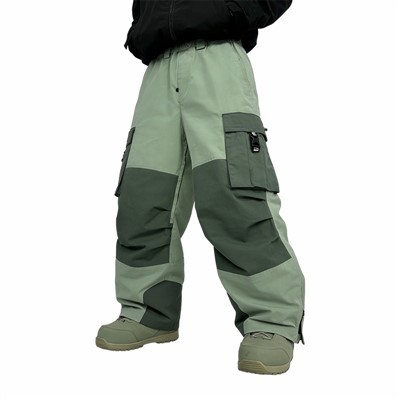
If you’re a shop owner, event planner, or just someone looking to order jackets for your ski group and want to chat about what insulation works best for your needs, reach out to us for a custom quote. We’re here to help you pick the right jackets that’ll keep you warm, comfortable, and focused on having fun on the slopes, not shivering through the run.
Snowboard Jacket References
- Outdoor Industry Association. (2022). Ski and Snowapparel Performance Guide.
- PrimaLoft. (2023). Synthetic Insulation Technology for Cold Weather Apparel.
- Down Association of Canada. (2021). Fill Power and Insulation Performance Standards.
- International Organization for Standardization (ISO). (2020). Textiles — Insulation for Clothing and Assemblies — Test Methods.
Onroad Sportswear Co., Ltd.
We’re well-known as one of the leading ski jacket manufacturers in China, featured by quality products and good service. Please feel free to buy customized ski jacket made in China here from our factory. Also, samples are available.
Address: No. 501, A Block, Longtian Industry Area, Shilong, Dongguan, Guangdong, PRC. China
E-mail: Tracy.yi@onroad-sports.com
WebSite: https://www.orsoutdoor.com/
